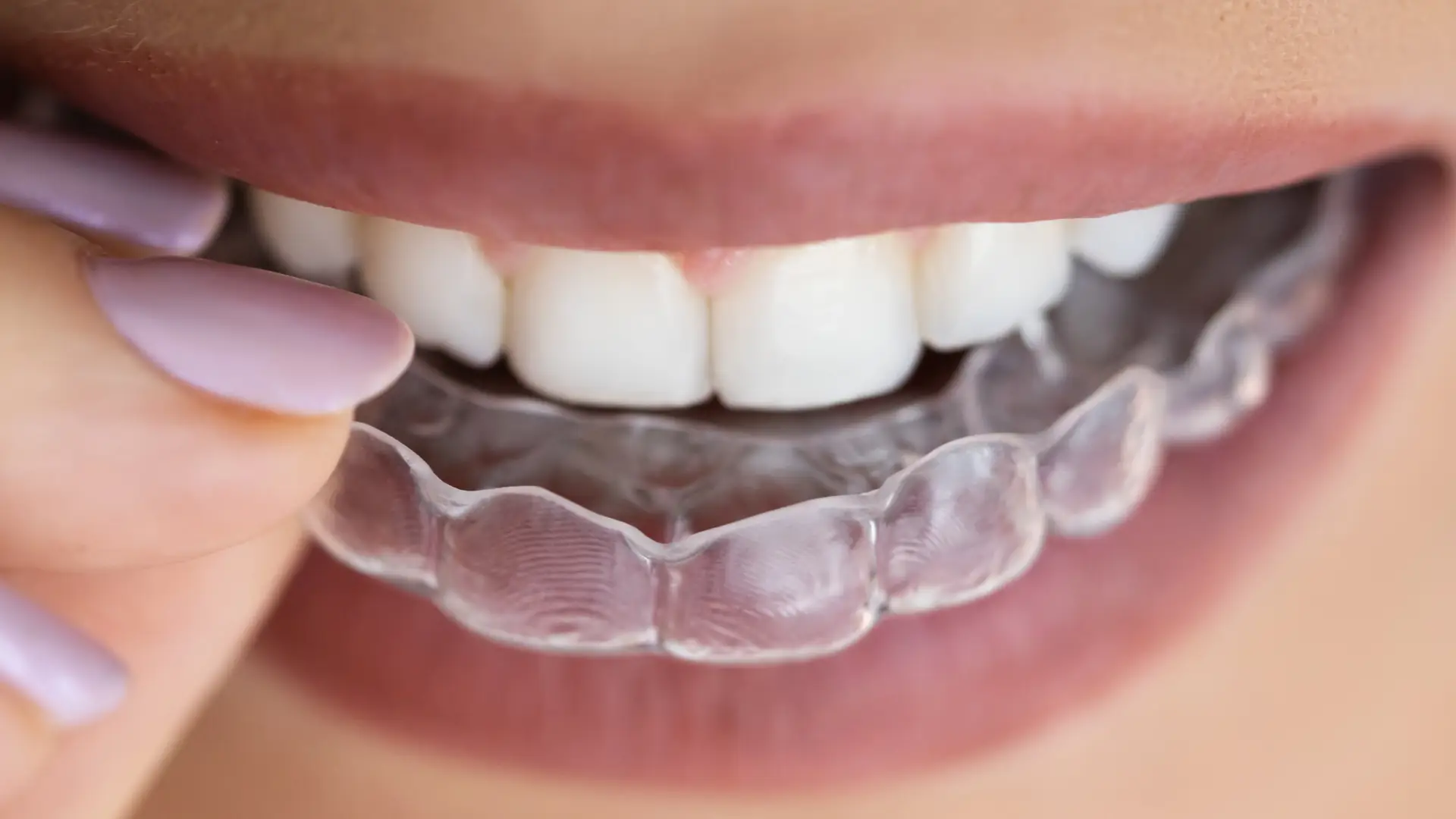
When to Change Your Clear Aligners & Why Timing Matters

Great results come from patience and consistency. Here’s why the two-week schedule exists and what happens if you rush it.

Why Each Aligner Is Worn For Two Weeks

It’s tempting to think that switching trays faster will speed up your treatment.
But orthodontics is a biological process and your body needs time to respond to each movement.

Here’s what actually happens when your aligner moves a tooth:

The aligner applies gentle pressure, pushing the tooth in the planned direction

The periodontal ligament (the tissue anchoring your tooth to the bone) stretches on one side and compresses on the other

Osteoclasts break down bone on the compressed side, creating space

Osteoblasts build new bone on the stretched side, stabilising the tooth in its new position

This remodelling process takes time. After years of research, the consensus is that 14 days is the ideal interval between aligner changes. It gives your bone and gums enough time to remodel properly around each movement.

What Happens If You Change Aligners Too Soon?

Switching trays before your teeth and bone have adjusted can cause real problems:

Root Tipping

The visible part of the tooth moves faster than the root, leading to instability

Root Tipping

The visible part of the tooth moves faster than the root, leading to instability

Tracking Issues

Your aligners stop fitting properly because your teeth haven’t reached the expected position

Refinement Needed

You may need additional sets of aligners to correct the misalignment, extending your overall treatment time

Weakened Teeth

Rushed movement can compromise root stability and gum health

The irony is clear: Trying to speed things up often makes treatment take longer.

How To Get The Best Results From Each Aligner

Wear your aligners 22 hours a day: Only remove them to eat, drink (anything other than water), and brush your teeth.

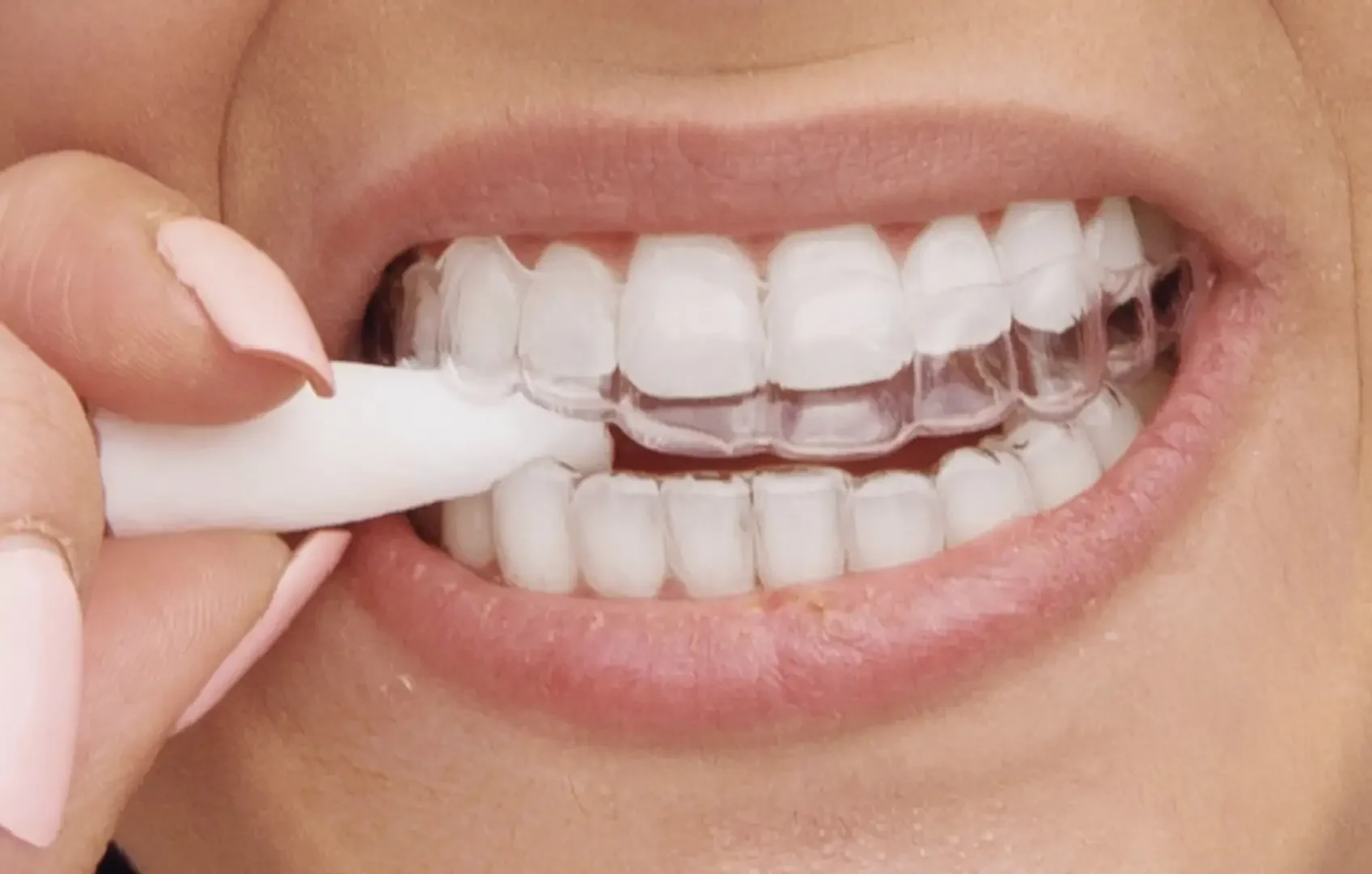
Use aligner chewies to seat your trays properly: Especially during the first few days of each new set.

Follow your provider’s schedule exactly: Don’t skip ahead, even if your trays feel loose.

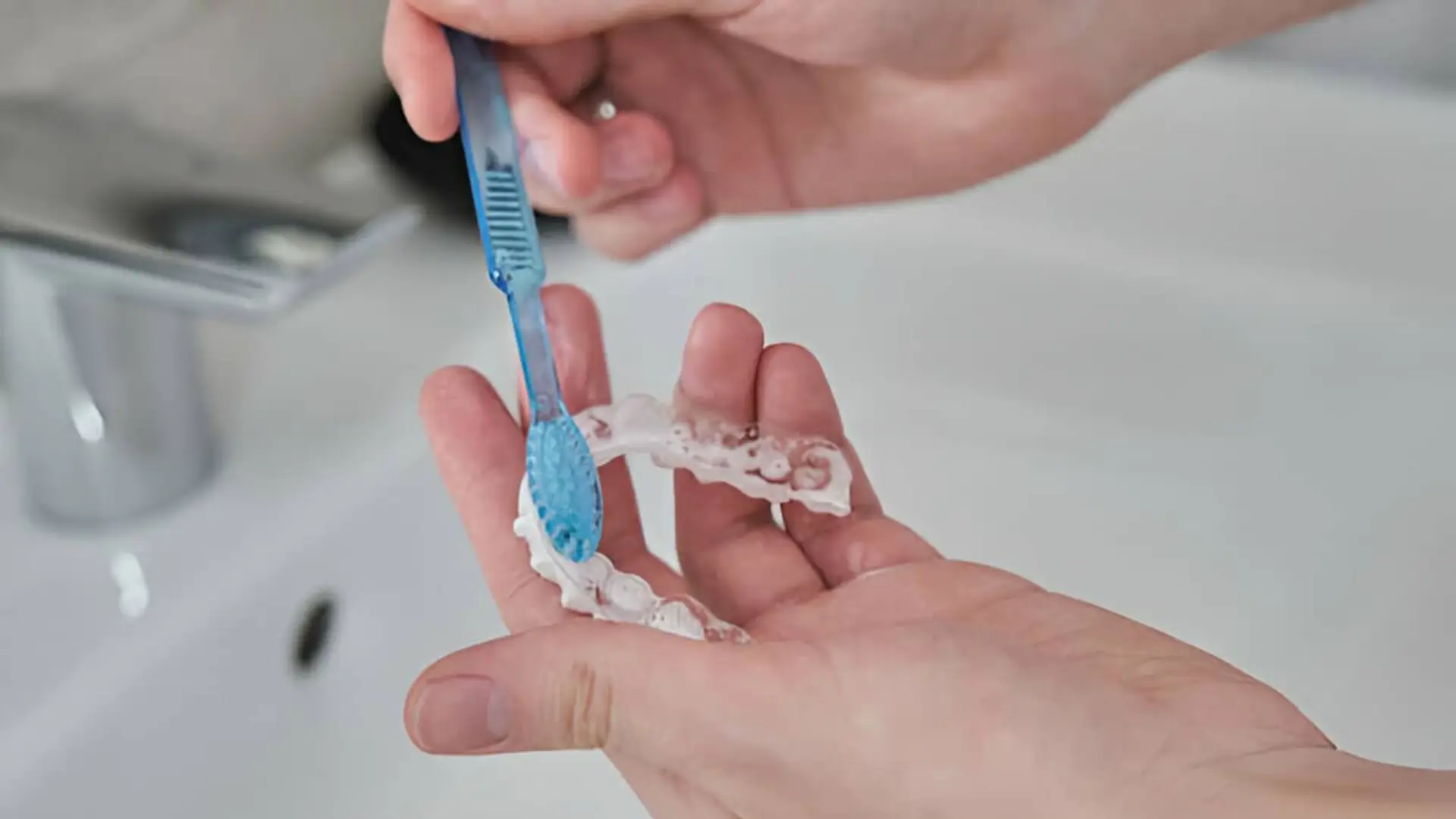
Keep your aligners clean: Rinse them every time you remove them and brush them gently with a soft toothbrush.

What If You Lose or Damage an Aligner?

If you lose a tray within the first 7 days of that stage, contact your provider immediately, you’ll likely need a replacement made.

If you’ve been compliant for 8+ days, your provider may advise switching to the next set early. But always check first, don’t make that call on your own.

Replacement aligners may carry an additional cost, so take care of your trays.

Questions About Your Treatment

Your clear aligner provider can guide you through every step of your journey, from your first scan to your final retainer. If you haven’t started treatment yet, search for qualified providers in your area.