BracesOrthodontics:
What You Need to Know

The trusted method for straightening teeth and correcting complex bite problems.

What Are Braces?

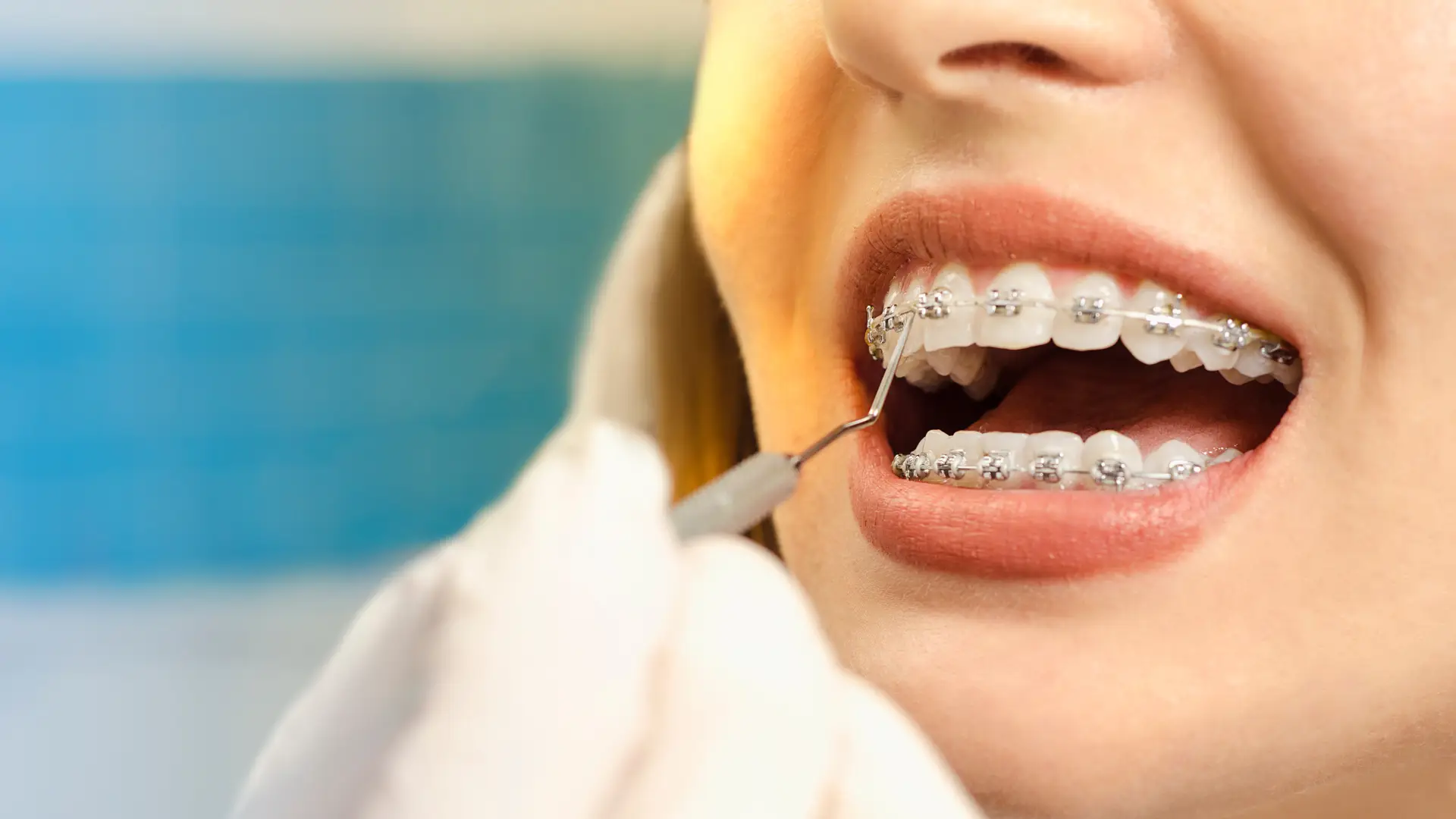
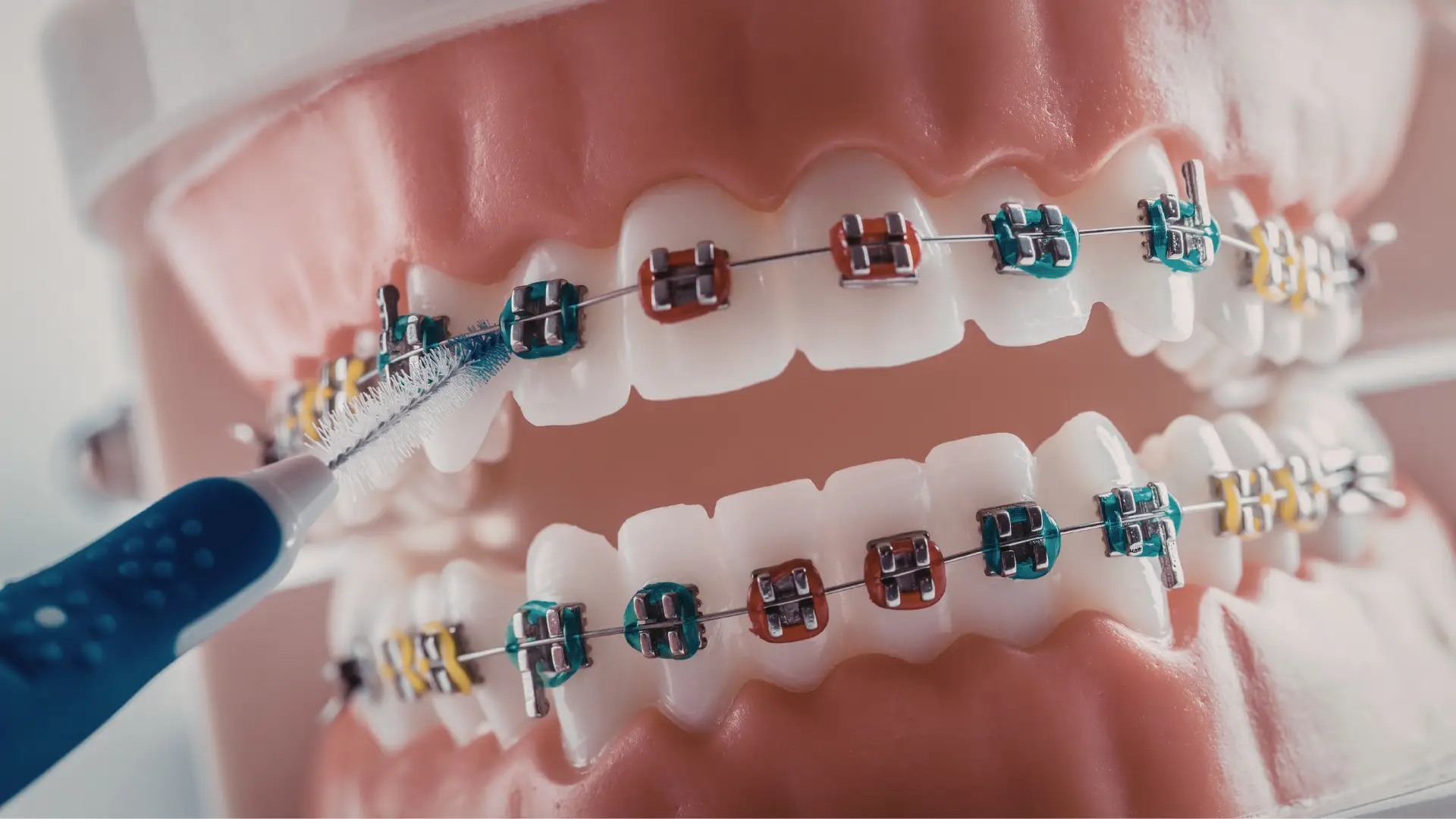
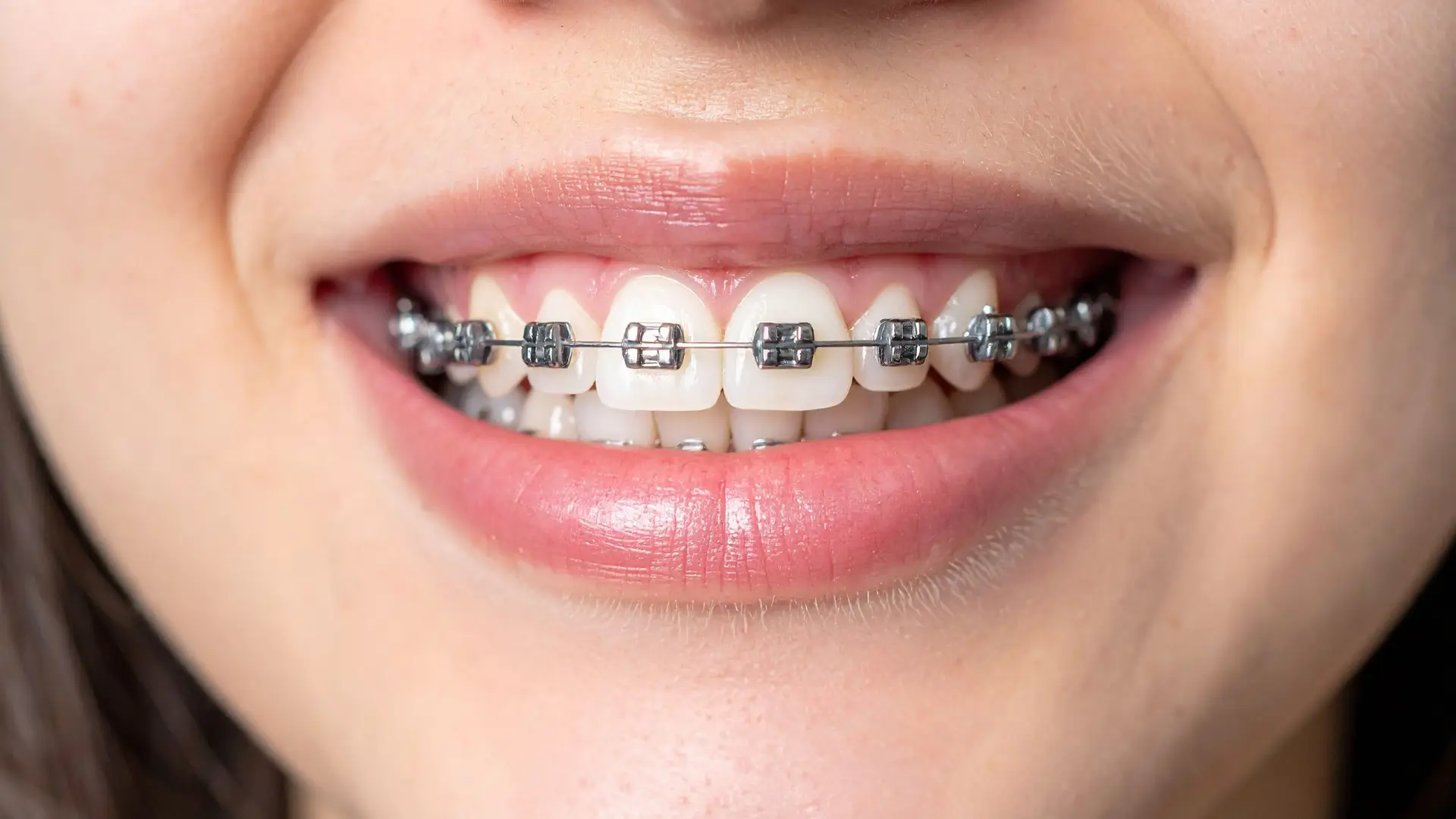
Braces are an orthodontic system that uses brackets, wires, and elastic bands to apply steady pressure to your teeth, gradually moving them into their correct positions over time.

They’ve been used for decades and remain the most versatile orthodontic tool available, capable of handling everything from mild crowding to complex bite corrections that other treatments can’t.

How Do Braces Work?

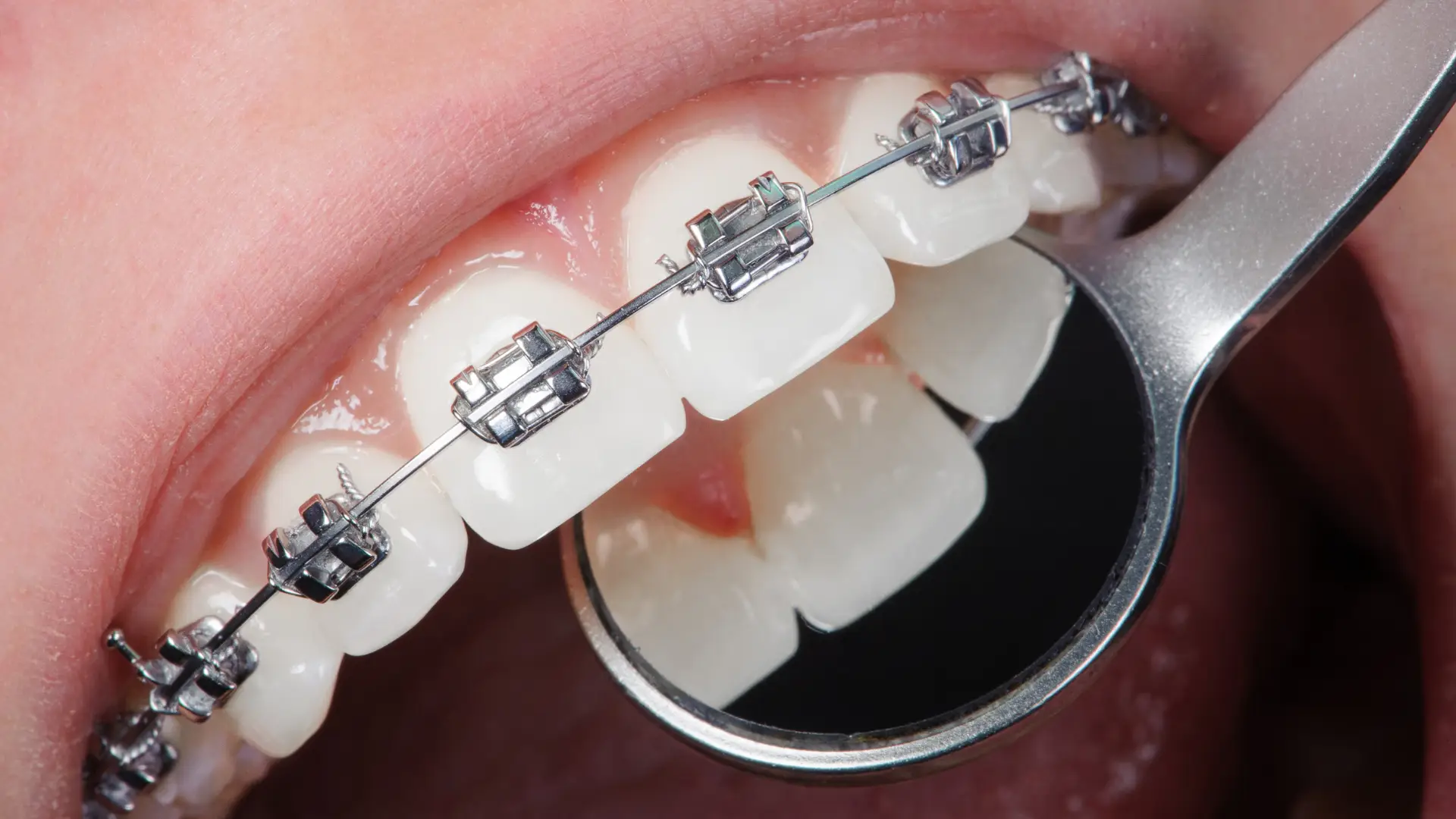
Small brackets are bonded to the surface of your teeth. A thin metal wire runs through these brackets, and your orthodontist adjusts the wire at regular appointments to guide your teeth into alignment.

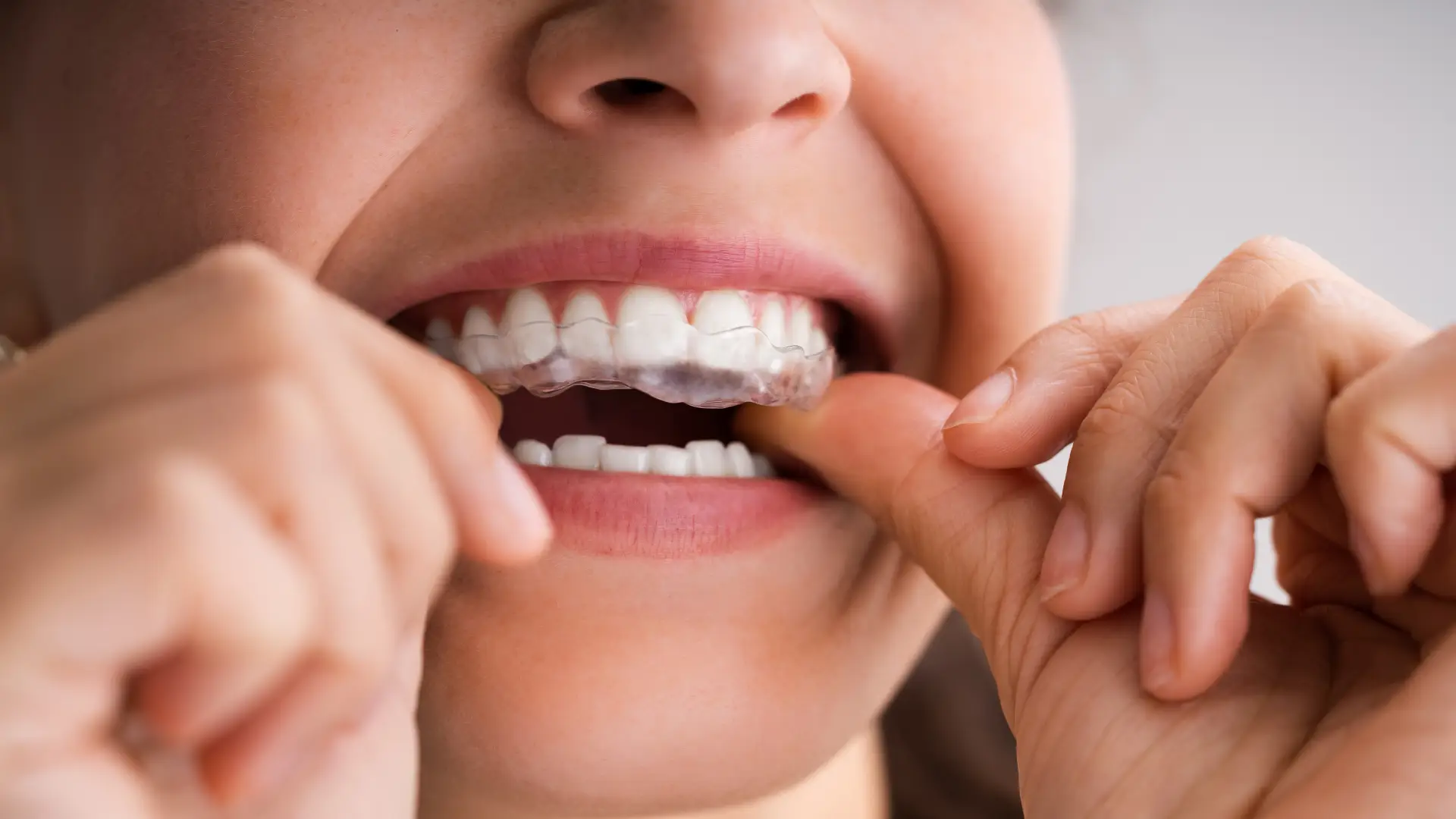
The pressure from the wire triggers a biological process, your bone gradually remodels around each tooth as it moves into its new position. This is the same process used by clear aligners, but braces apply a pulling force through the wire, while aligners use a pushing force from the tray.

Learn more about how teeth move →

Types of Braces Available

Metal Braces (Traditional)

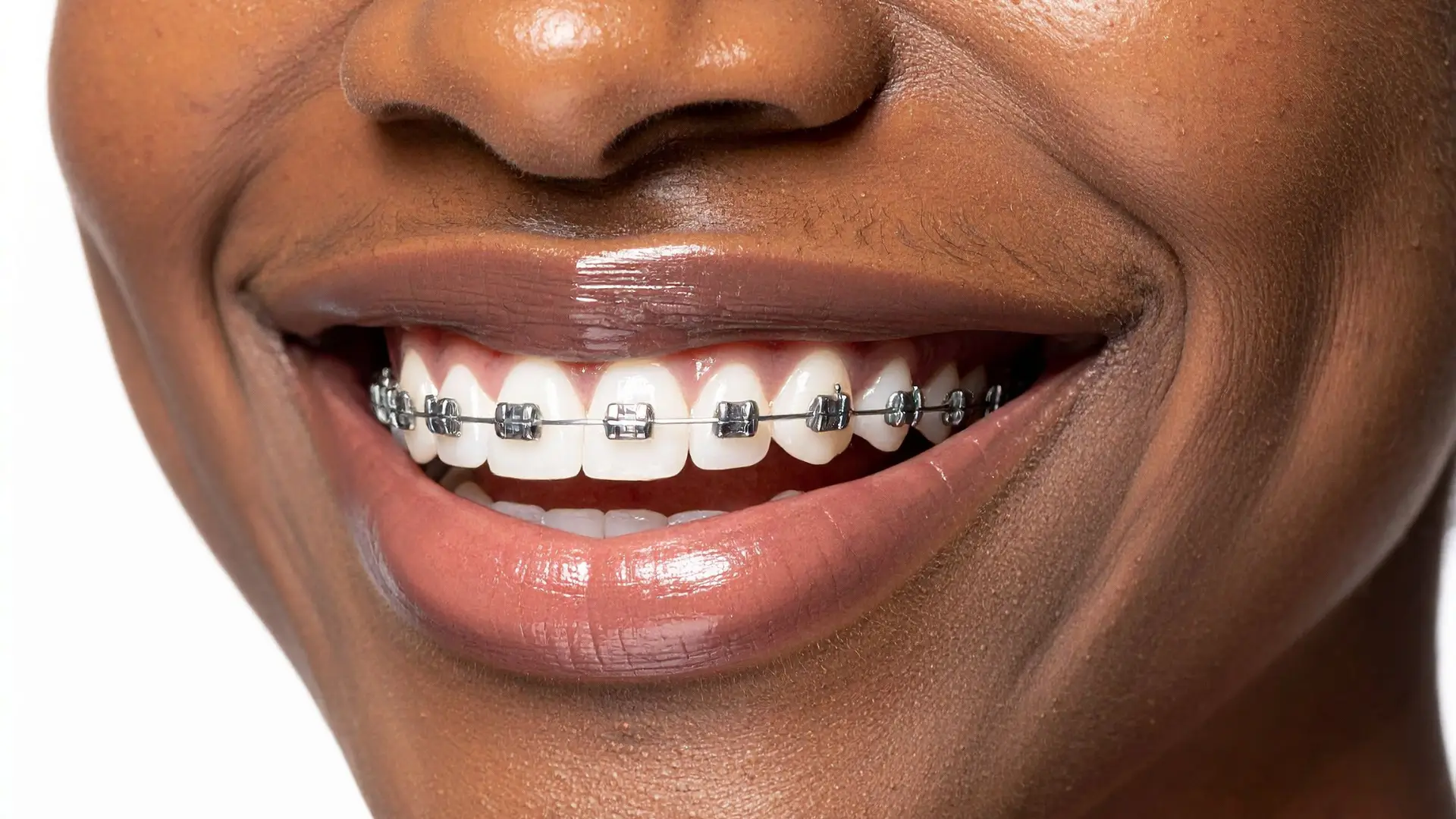
The most common and cost-effective option. Modern metal braces are smaller and more comfortable than older versions. They’re highly effective for all types of cases.

Ceramic Braces

Similar to metal braces but with tooth-coloured or clear brackets that blend in with your teeth. A more discreet option, though slightly more expensive.

Lingual Braces

Brackets placed on the inside (tongue-side) of your teeth, making them invisible from the outside. These are custom-made and typically more expensive.

Self-Ligating Braces

Use a specialised clip instead of elastic bands to hold the wire in place. This can reduce friction and may require fewer adjustments.

What to Expect During Treatment

Duration

Most braces treatments last 12 to 24 months, depending on the complexity of your case.

Adjustments

You’ll visit your orthodontist roughly once a month to have your wires adjusted.

Discomfort

Mild soreness is normal for a few days after each adjustment. Over-the-counter pain relief and soft foods help during this period.

Eating

You’ll need to avoid sticky, hard, and chewy foods that could damage your brackets or wires.

Oral Hygiene

Brushing and flossing take more effort with braces. Your orthodontist will show you the best techniques to keep your teeth and gums healthy throughout treatment.

After Treatment

You’ll wear a retainer to keep your teeth in their new positions.

What to Expect During Treatment

Duration

Most braces treatments last 12 to 24 months, depending on the complexity of your case.

Adjustments

You’ll visit your orthodontist roughly once a month to have your wires adjusted.

Discomfort

Mild soreness is normal for a few days after each adjustment. Over-the-counter pain relief and soft foods help during this period.

Eating

You’ll need to avoid sticky, hard, and chewy foods that could damage your brackets or wires.

Oral Hygiene

Brushing and flossing take more effort with braces. Your orthodontist will show you the best techniques to keep your teeth and gums healthy throughout treatment.

After Treatment

You’ll wear a retainer to keep your teeth in their new positions.

What to Expect During Treatment

Duration

Most braces treatments last 12 to 24 months, depending on the complexity of your case.

Adjustments

You’ll visit your orthodontist roughly once a month to have your wires adjusted.

Discomfort

Mild soreness is normal for a few days after each adjustment. Over-the-counter pain relief and soft foods help during this period.

Eating

You’ll need to avoid sticky, hard, and chewy foods that could damage your brackets or wires.

Oral Hygiene

Brushing and flossing take more effort with braces. Your orthodontist will show you the best techniques to keep your teeth and gums healthy throughout treatment.

After Treatment

You’ll wear a retainer to keep your teeth in their new positions.

Should You Choose Braces or Clear Aligners?

Both are effective, the right choice depends on your specific case.

Braces may be better if you have:

  • Severe crowding or spacing
  • Complex bite problems (deep overbite, underbite, crossbite)
  • Teeth that need significant rotation
  • You prefer a “set it and forget it” approach (no removal required)

Clear aligners may be better if you:

Should You Choose Braces or Clear Aligners?

Both are effective, the right choice depends on your specific case.

Braces may be better if you have:

  • Severe crowding or spacing
  • Complex bite problems (deep overbite, underbite, crossbite)
  • Teeth that need significant rotation
  • You prefer a “set it and forget it” approach (no removal required)

Clear aligners may be better if you:

How Much Do Braces Cost In South Africa?

Braces typically cost between R20,000 and R75,000 in South Africa. The price depends on:

  • The complexity of your case
  • The type of braces chosen (metal, ceramic, lingual)
  • Your provider’s location and experience

The length of treatment requiredMany providers offer payment plans to make treatment more accessible. The best way to get an accurate quote is to book a consultation.

Ready to Explore Your Options?

Whether you’re leaning toward braces or clear aligners, the first step is the same, talk to a qualified dental professional who can assess your case and recommend the best path forward.