
Prescribed by a dental professional. Clear Aligners are specifically designed to align teeth in a predictable, comfortable and discreet manner.
Prescribed by a dental professional. Clear Aligners are specifically designed to align teeth in a predictable, comfortable and discreet manner.
A confident smile changes everything.
How you feel, how you connect, and how you carry yourself. If you’re exploring options to straighten your teeth, you’re in the right place.
Whether it’s clear aligners or traditional braces, the right treatment depends on your specific case. This site covers everything you need to make an informed choice, from how teeth actually move, to types of bite problems, to a side-by-side comparison of your options.

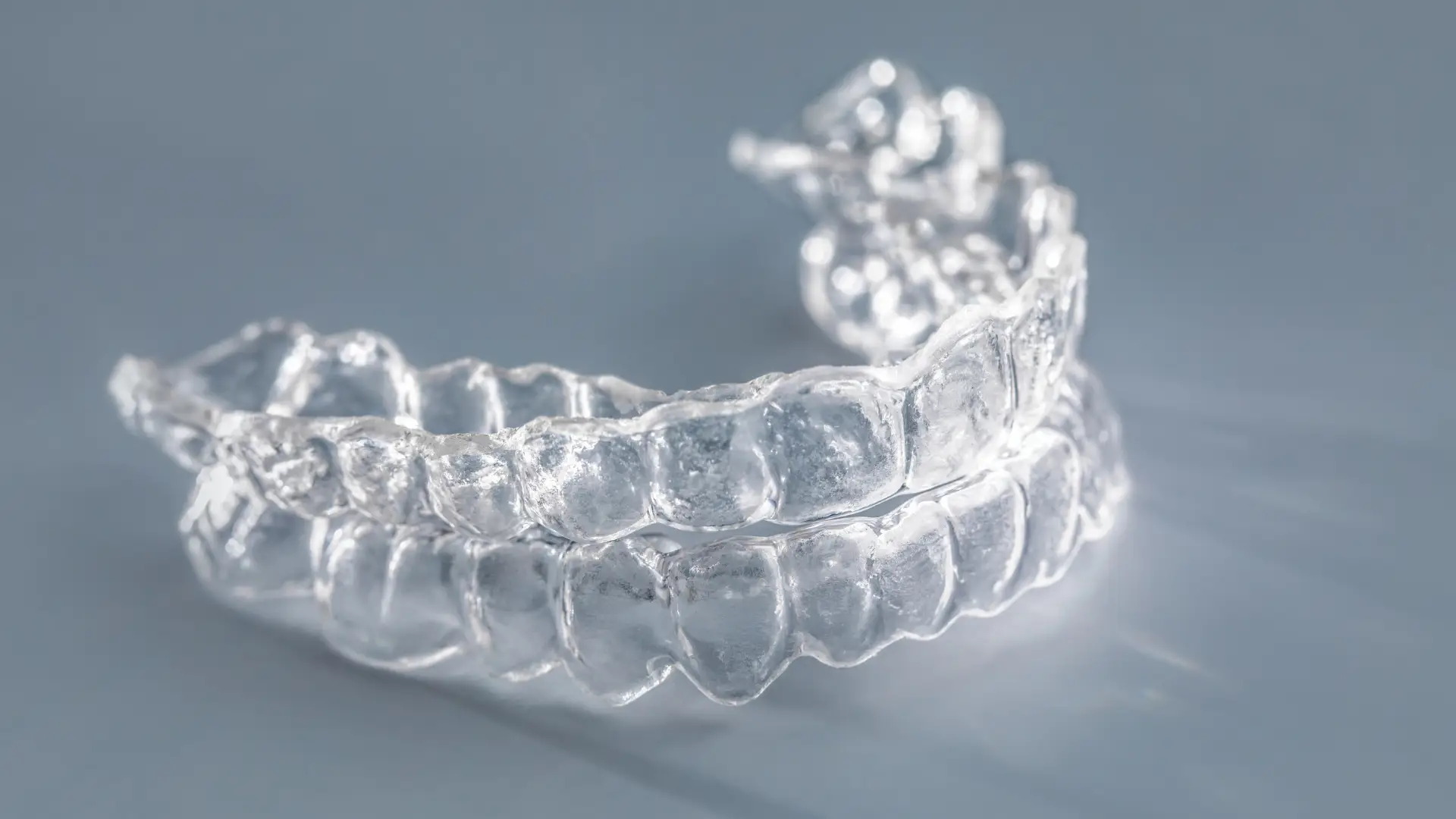
Nearly invisible.
Removable. Comfortable.
Real results from real patients.
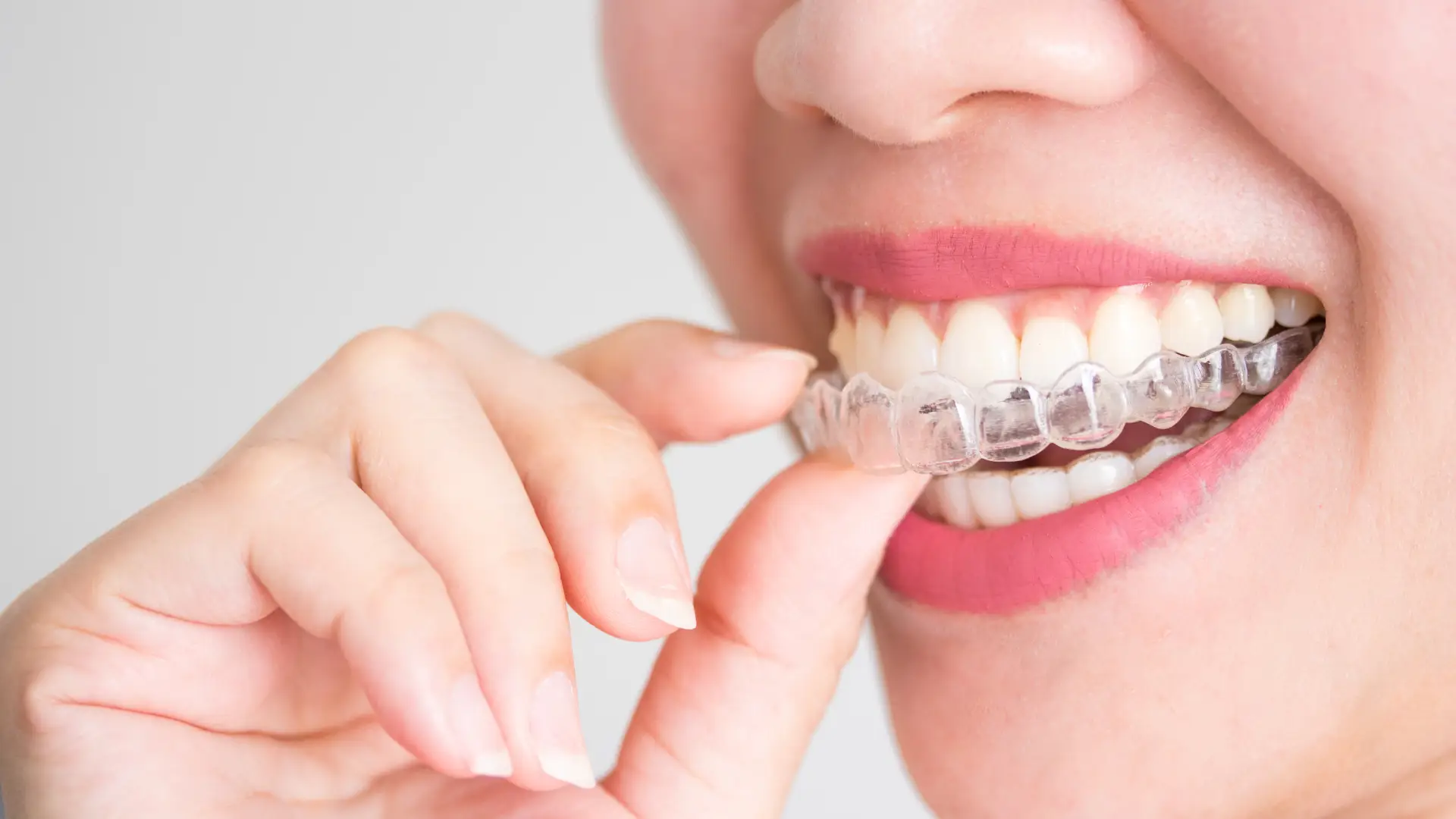
Which is right for you?

What Are Clear Aligners?
Clear aligners are a modern alternative to traditional braces. They use a series of custom-made, transparent plastic trays to gradually move your teeth into alignment. Each set of trays is worn for about two weeks before moving to the next set. They’re removable, so you can eat, brush, and floss normally, and they’re virtually invisible. Clear aligners are prescribed by a dental professional and designed using 3D imaging for a precise, predictable result.
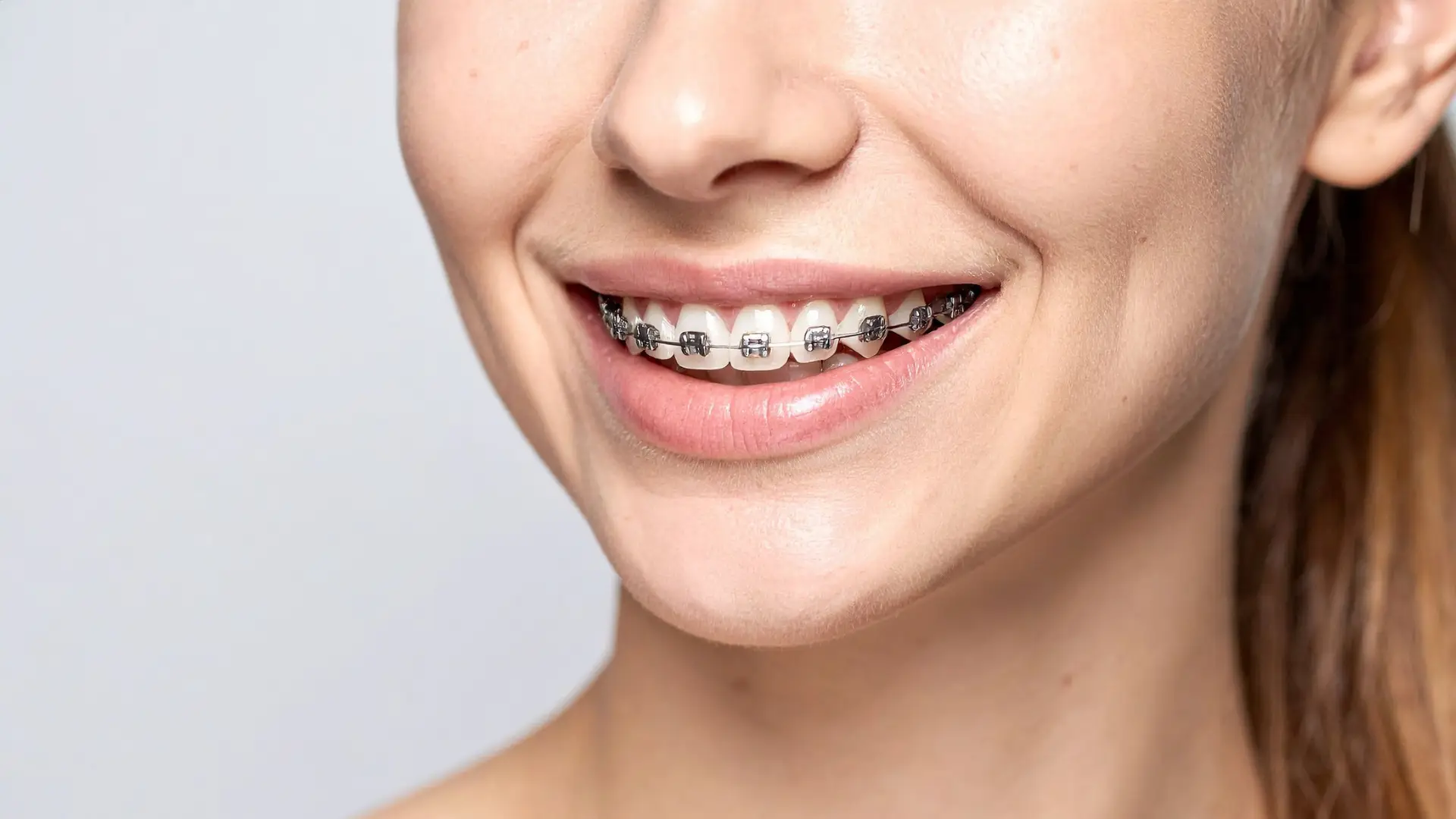
What Are Braces?
Braces have been the gold standard in orthodontics for decades. They use metal or ceramic brackets bonded to your teeth, connected by wires that apply consistent pressure to move teeth over time.
Modern braces are smaller, more comfortable, and more effective than ever. They’re especially well suited for complex cases that may be beyond the scope of aligners.

What Are Clear Aligners?
Clear aligners are a modern alternative to traditional braces. They use a series of custom-made, transparent plastic trays to gradually move your teeth into alignment. Each set of trays is worn for about two weeks before moving to the next set. They’re removable, so you can eat, brush, and floss normally, and they’re virtually invisible.
Clear aligners are prescribed by a dental professional and designed using 3D imaging for a precise, predictable result.
What Are Braces?
Braces have been the gold standard in orthodontics for decades. They use metal or ceramic brackets bonded to your teeth, connected by wires that apply consistent pressure to move teeth over time.
Modern braces are smaller, more comfortable, and more effective than ever. They’re especially well suited for complex cases that may be beyond the scope of aligners.
| Braces | Clear Aligners | |
|---|---|---|
|
Appearance |
Metal or ceramic brackets (visible) |
Clear, nearly invisible trays |
|
Treatment Time |
12-24 months on average |
4-12 months on average |
|
Follow-Up Visits |
Monthly adjustments |
Change trays every 2 weeks; visit every 4-6 weeks |
|
After Treatment |
Retainer needed |
Retainer needed |
|
Removable? |
No, fixed to teeth |
Yes, remove to eat, brush, and floss |
|
Cost (South Africa) |
R20,000 – R75,000 |
R15,000 – R50,000 |
|
Best For |
Complex cases, severe misalignment |
Mid to moderate crowding and spacing |
|
Pros |
Handles complex issues; no discipline needed to keep them in; normal brushing routine |
Invisible; removable; no food restrictions; no wires discomfort |
|
Cons |
Visible; food restrictions; wire discomfort; harder to clean |
Must remove before eating; must brush after meals; requires 22+ hours daily wear |
Note: Cost depends on the severity of your case. More complex treatment typically costs more. The best way to get an accurate quote is to consult with a provider.
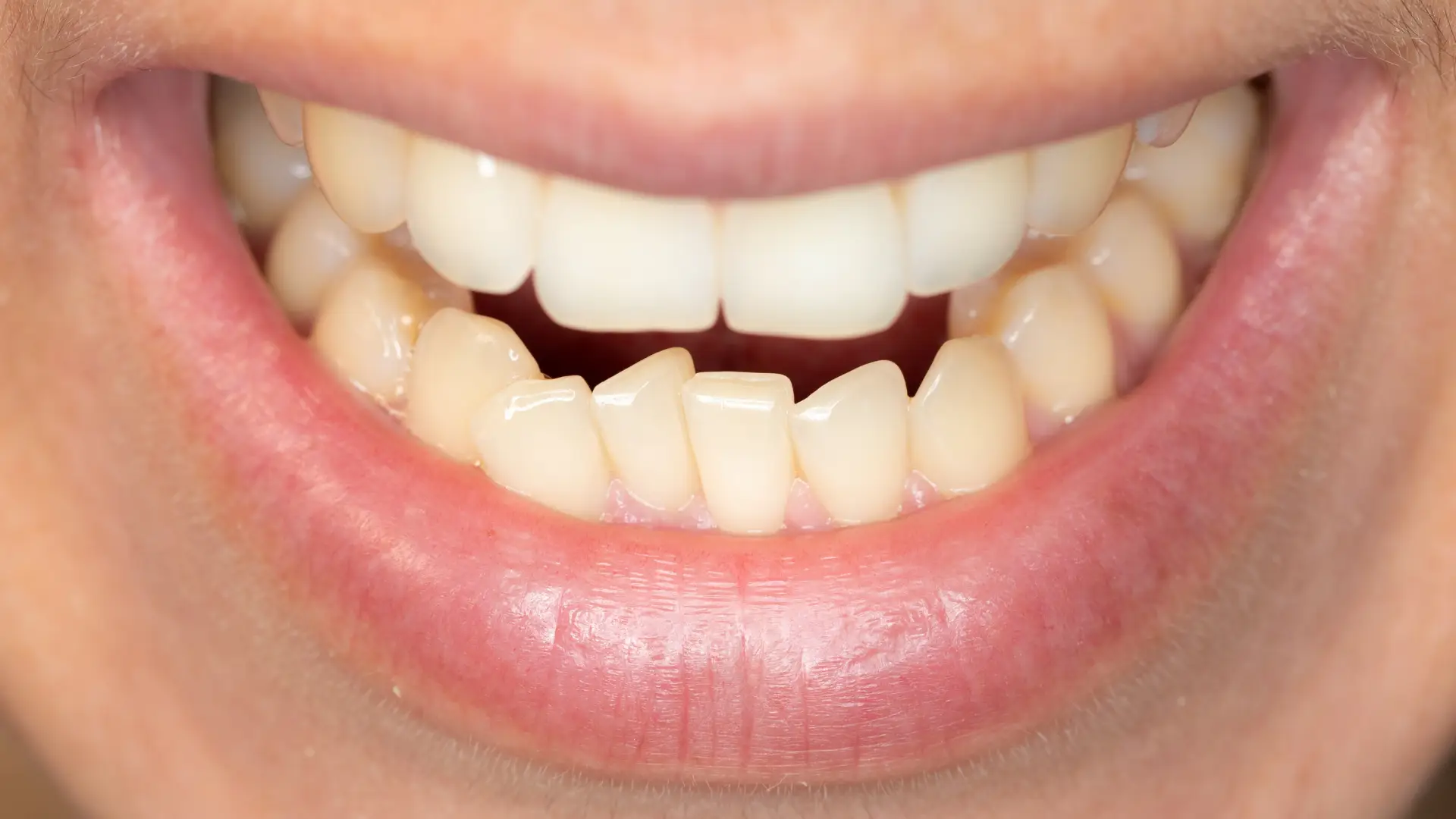
Malocclusion is the clinical term for misaligned teeth or a “bad bite.” It can cause crowding, gaps, overbites, underbites, and crossbites, and may lead to headaches, jaw pain, and gum problems if left untreated.
Understanding your type of malocclusion helps determine whether clear aligners, braces, or a combination is right for you.
Learn more about the different types of Malocclusion →
The best first step is a consultation with a qualified provider. Search for clear aligner providers in your area and book an assessment.