How they work, what to expect, and what happens if your teeth need a little extra adjustment.
Your dentist or orthodontist uses X-rays, photos, and digital impressions to create a precise 3D model of your teeth. From there, a fully customised treatment plan maps out every movement from start to finish.
What Are Clear Aligners?
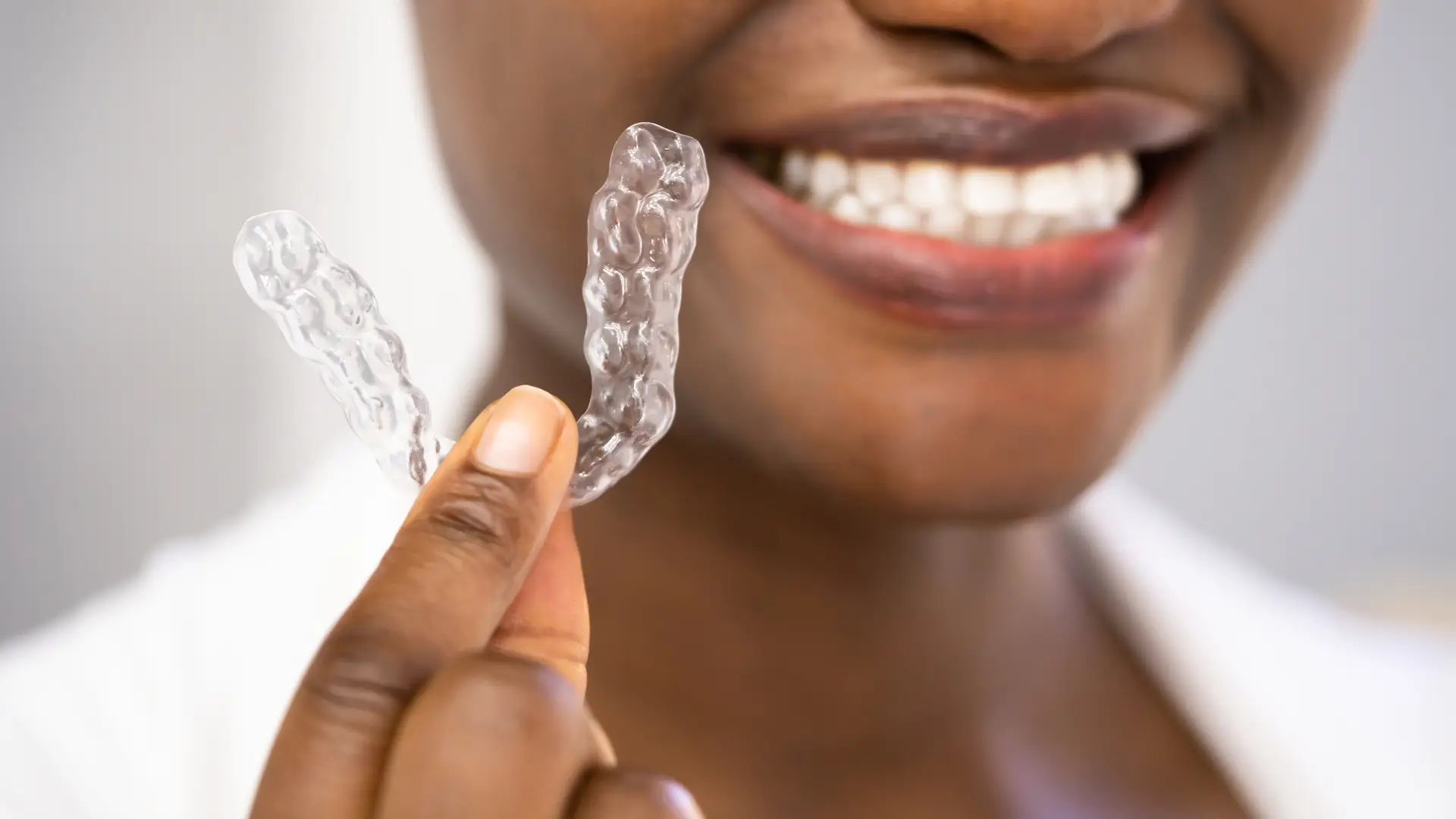
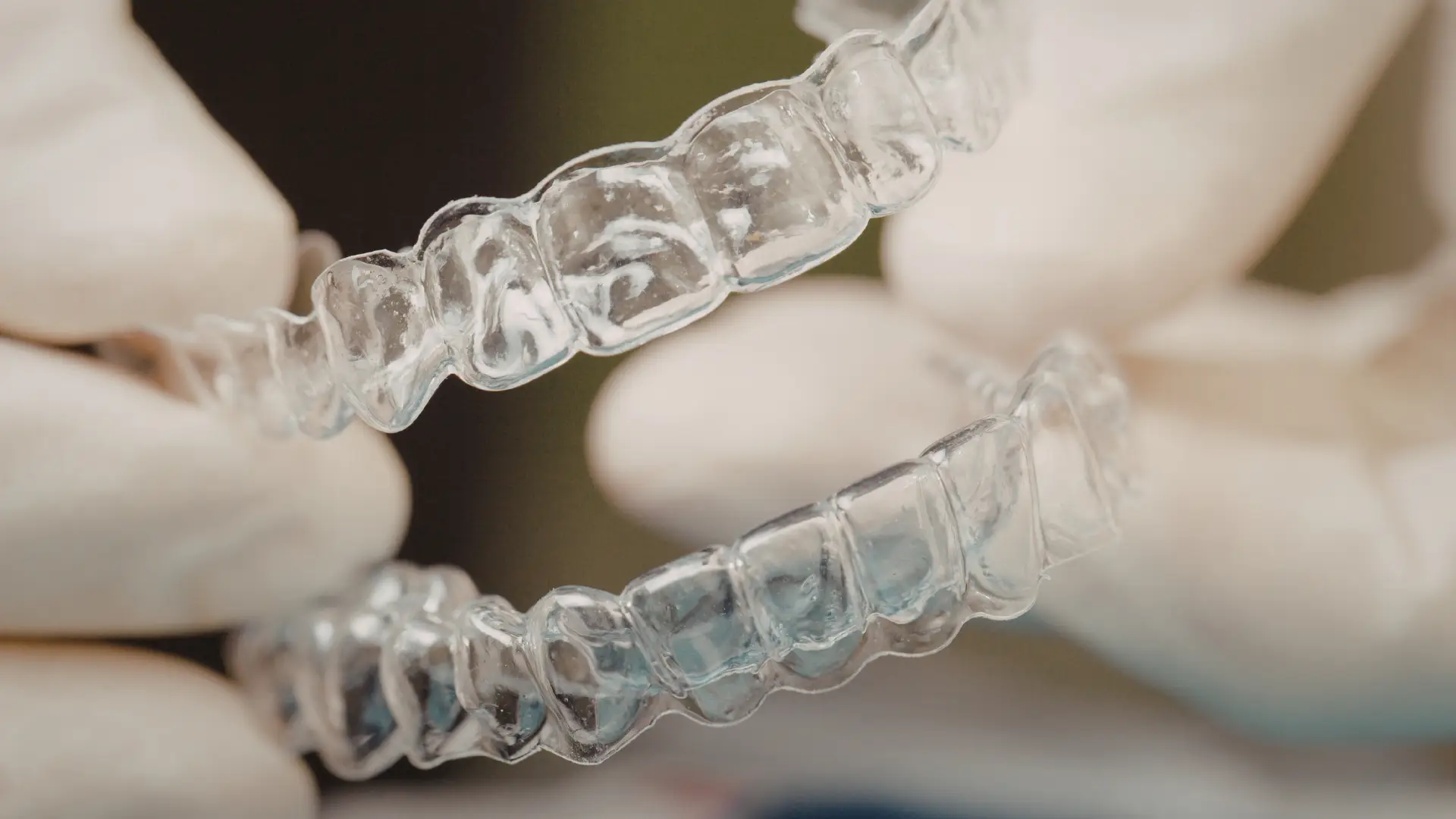
Clear aligners, sometimes called “invisible braces,” are a modern orthodontic treatment that uses a series of custom-made, transparent plastic trays to gradually straighten your teeth.
Unlike traditional braces, clear aligners are:
Nearly Invisible
Most people won’t even notice you’re wearing them
Removable
Take them out to eat, drink, brush, and floss
Comfortable
No brackets, no wires, no metal
What Are Clear Aligners?
Clear aligners, sometimes called “invisible braces,” are a modern orthodontic treatment that uses a series of custom-made, transparent plastic trays to gradually straighten your teeth.
Unlike traditional braces, clear aligners are:
Nearly Invisible
Most people won’t even notice you’re wearing them
Removable
Take them out to eat, drink, brush, and floss
Comfortable
No brackets, no wires, no metal
Your dentist or orthodontist uses X-rays, photos, and digital impressions to create a precise 3D model of your teeth. From there, a fully customised treatment plan maps out every movement from start to finish.
How Do Clear Aligners Actually Move Teeth?
Clear aligners apply gentle, controlled pressure to specific teeth. Each set of trays is calibrated to achieve a precise movement, shifting your teeth incrementally toward their ideal positions.
Here’s the science behind it:
Your teeth are anchored into your jawbone by the periodontal ligament (PDL). When an aligner applies pressure, the ligament stretches on one side and compresses on the other. This triggers two types of bone cells:
Osteoclasts break down bone on the compressed side (creating space)
Osteoblasts build the new bone on the stretched side (filling in behind)
This is why each set of aligners needs to be worn for 7 to 14 days.
Your bone and gums need time to remodel around each movement. It’s the same biological process that braces use, just delivered through a push force instead of a pull force.
The key difference? Braces use brackets and wires to pull teeth. Aligners use custom trays to push teeth. The result is the same, a straighter, healthier smile.
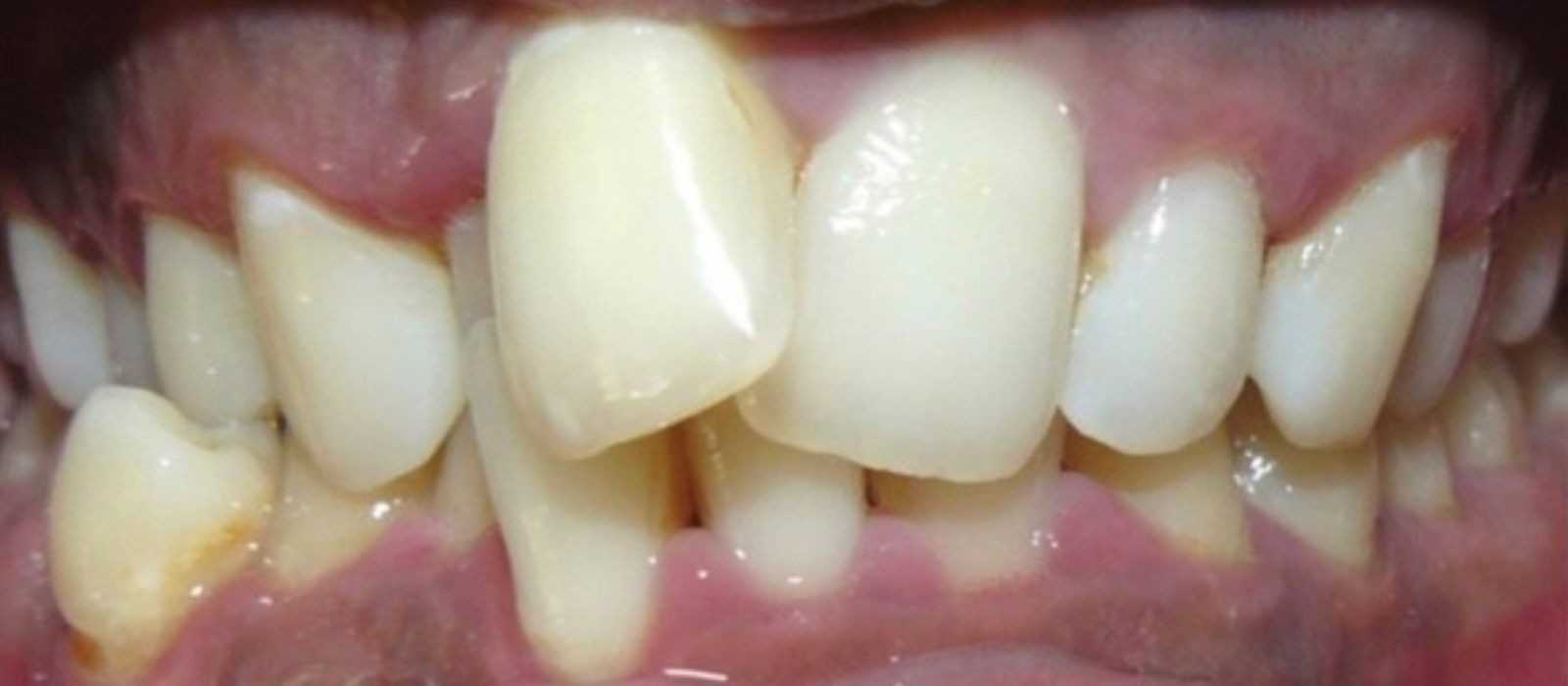
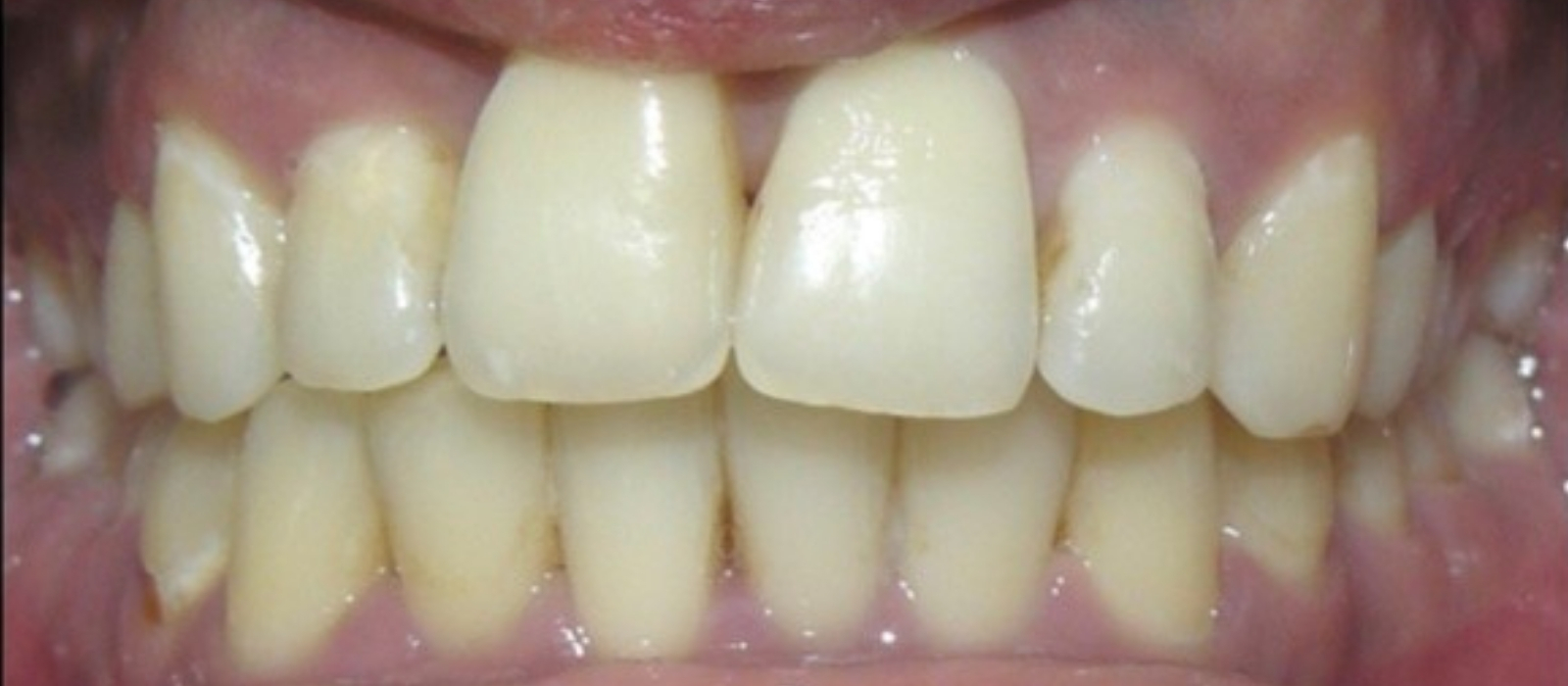
Real results from real patients treated with Active Aligners. Every smile tells a story of commitment, patience, and the right treatment plan.
BeforeAfter
BeforeAfter
BeforeAfter
Before and After Results
Real results from real patients treated with Active Aligners. Every smile tells a story of commitment, patience, and the right treatment plan.
BeforeAfter
BeforeAfter
BeforeAfter
Getting The Most From Your Aligners
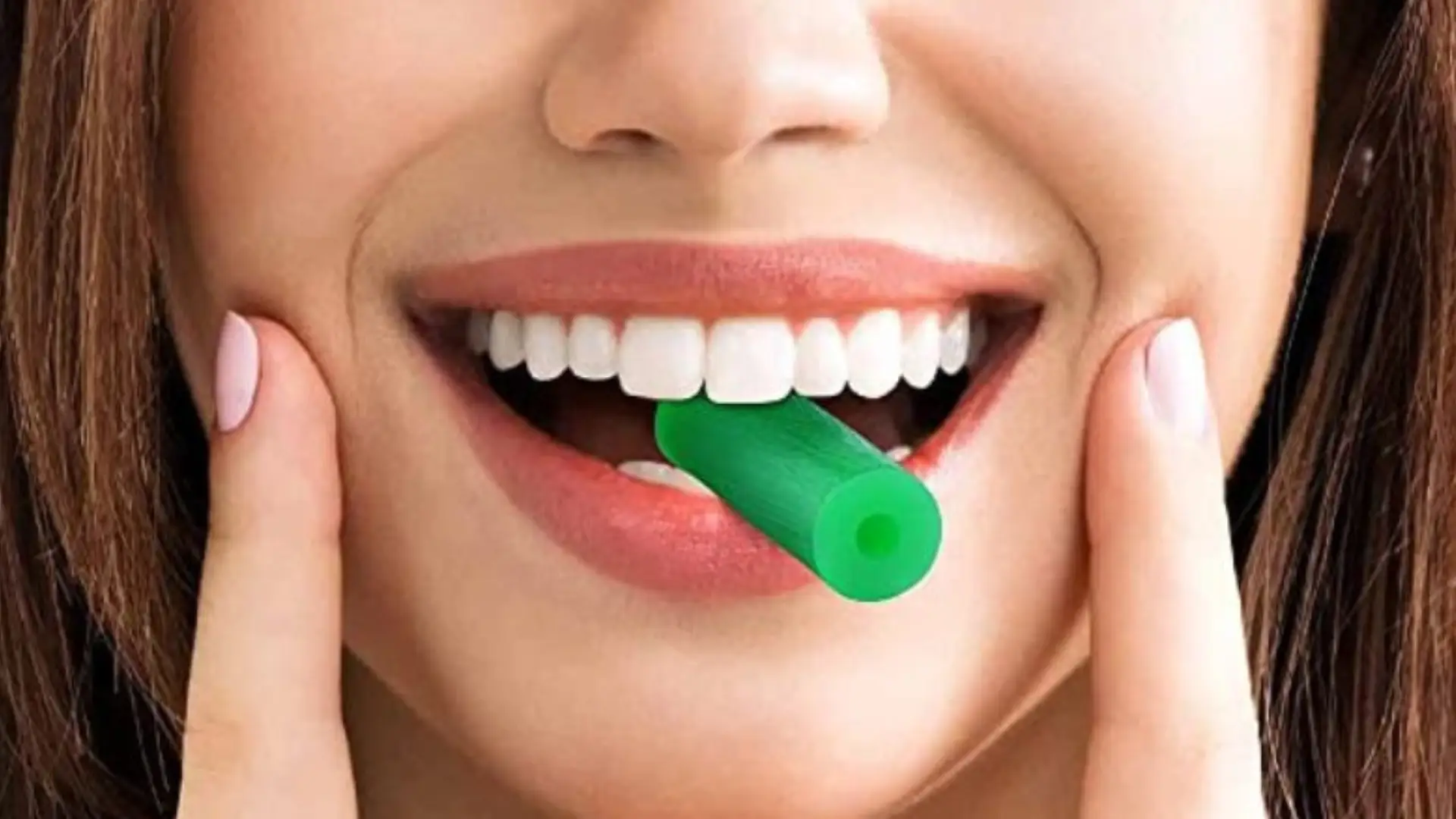
For best results, your aligners need to fit snugly against your teeth. Using aligner chewies, small, soft cylinders, helps close any air gaps between your trays and your teeth, especially when you first switch to a new set.
Most patients achieve 80–90% of their planned movement in their first series of aligners. That’s excellent progress, but sometimes teeth need a little extra fine-tuning.
A refinement is simply a second (shorter) round of aligners to tidy up the last few movements. Your provider takes new scans, creates a new treatment plan, and orders additional trays to finish the job.
Why refinements happen:
Teeth sometimes move slower than predicted
Minor compliance issues (not wearing trays the full 22 hours)
Slightly too much or too little IPR (interproximal reduction; the small amount of space created between teeth)
What to ask your provider before starting:
Check whether refinements are included in your overall treatment fee. Many providers offer all-inclusive pricing. Others charge separately only if refinements are needed.
Remember: Orthodontics involves living, biological tissue. It’s not an exact science. Refinements are a normal part of the process, not a failure.
Clear Aligner FAQs
Do Clear Aligners Hurt?
You may feel some pressure or mild discomfort when switching to a new set of trays, this is normal and means they’re working. Most patients find it far less uncomfortable than traditional braces.
How Long Does Treatment Take?
Most clear aligner treatments take between 4 and 12 months, depending on the complexity of your case.
Can I Eat With My Aligners In?
No. Remove your aligners before eating or drinking anything other than water. Brush your teeth before putting them back in.
How Many Hours A Day Do I Need To Wear Them?
22 hours a day for best results. Only remove them to eat, drink, and brush.
Will People Notice I'm Wearing Aligners?
Unlikely. Clear aligners are made from transparent plastic and fit closely to your teeth. Most people won’t notice unless you tell them.
Ready to Start Your Clear Aligner Journey?
The best first step is a consultation with a qualified dental professional. Search for clear aligner providers in your area to get a personalised assessment and treatment plan.